
Classic Slots Odds and What They Mean at the Pokies
If you have spent any arvo at a local club or watched punters at The Star, you know the old one-armed bandits still pull a crowd. The maths behind classic slots odds is less about flashy bonus rounds and more about how the reels actually settle. I have covered casino floors for more than a decade, and the pattern stays the same: people chase a feeling, then blame the machine when the numbers do the talking. This piece breaks down what those odds really look like, where the trade-offs sit, and why a quiet spin in Perth can feel worlds apart from a crowded room on the east coast.where’s gold
Reading the Reels Without the Smoke and Mirrors
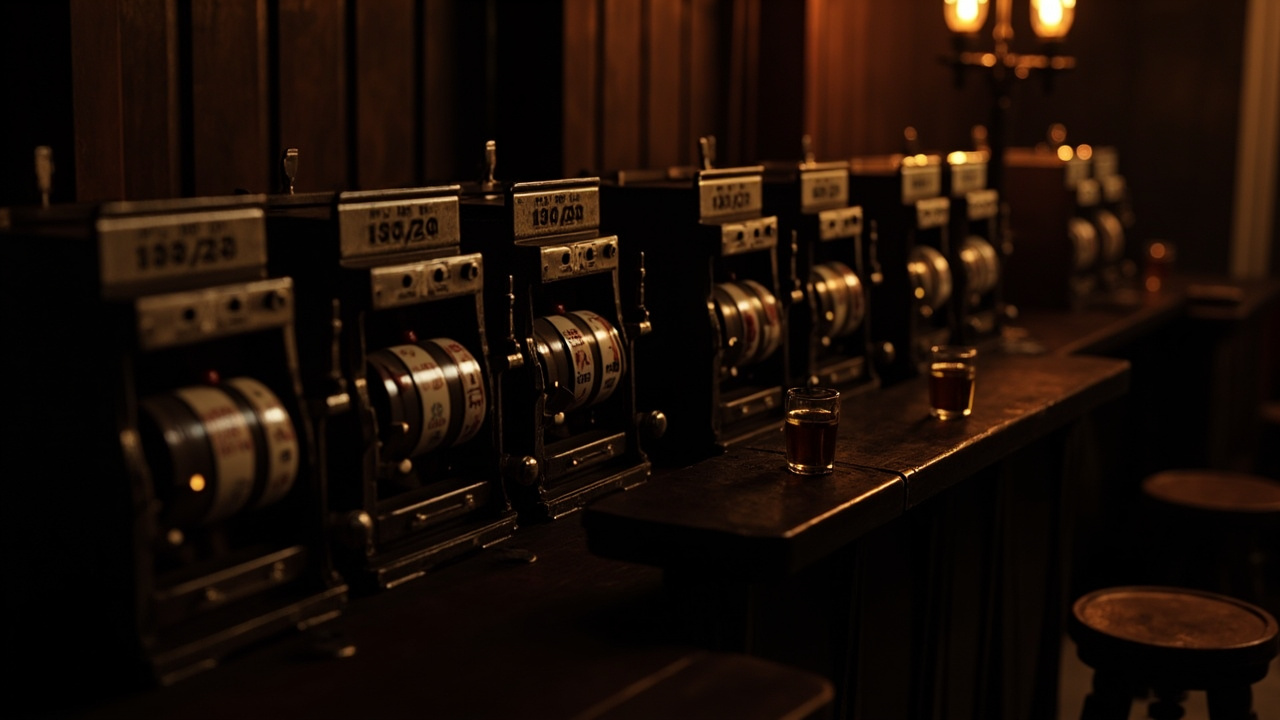
Classic slots odds boil down to a simple contract between the player and the machine: you put in credits, the random number generator picks a result, and the paytable decides what that result is worth. The house edge is baked into the symbol weightings and the return-to-player figure, which is why two machines with identical fruit symbols can pay out very differently over a long session. I worked through the same floor layouts at Complete Media Group back in 2009, and the maths has not changed – only the screens got prettier. A classic three-reel setup usually runs fewer stops per reel than a modern video pokie, which means the hit frequency can feel steadier but the top-line payouts stay capped. That is the first trade-off: you get a cleaner read on what is happening, but you do not get the layered bonus mechanics that stretch a session into something more varied.
Symbol mix matters more than most punters reckon. A cherry line might pay often, while a scatter or a stacked wild is there to keep the average return in check. The Star Entertainment brand operates casinos across Australia’s east coast, and the machines on those floors are calibrated to the same regulatory expectations as anywhere else in the country – no hidden switch, no operator quietly tilting the wheel. What does change is the pace of the room. In a busy Perth hotel on a Friday night, the clatter and the queue at the bar can make a slow-paying line feel longer than it is. That is not the odds shifting; it is just human attention doing what it does. If you want a calmer read on the reels, a quieter session or a later arvo spin often tells you more than a packed Saturday crowd ever will.
| Feature | What It Usually Means for Odds |
|---|---|
| Reel count | Three reels tend to have fewer stop combinations, which can make payouts feel more predictable but limits the top-end ceiling |
| Payline structure | Single or fixed lines simplify the read, but you are paying for every spin across the whole strip |
| RTP range | Published return figures vary by title, and the edge is spread across frequent small hits and rarer larger lines |
| Hit frequency | How often any payout lands; a higher rate does not equal a better long-term return |
Where the Trade-Offs Actually Sit
Nobody spins a pokie expecting the maths to break in their favour, and the people who understand classic slots odds best are usually the ones who treat the machine as paid entertainment with a known cost. Daniel Thompson, Board Member, Brighton Beach Betting Lab, put it plainly when I asked how punters should read a slow-burning line: “The odds do not care about your run of luck, and they certainly do not care how long you have been at the machine.” That is the honest bit. A machine can run cold for a stretch and still land within its published return over time, because the return is an average across thousands of spins, not a promise for your session. The trade-off is that a tighter paytable often means smaller frequent wins, which keeps the balance moving but does not always keep the mood up.
Limits matter too, and not just the ones on the screen. Casinos may “shuffle up” early to disrupt a counter’s advantage, a habit that has more to do with table games than the pokies, but the same principle of controlled variance sits behind how a floor is stocked and how a machine is placed in a room. You will not find a secret pattern in the carpet, and you should not be looking for one. What you can control is on the brand’s site your own line on the table: bet size relative to the balance, the number of lines you cover, and when you walk away. Leo Parker, Responsible Gambling Adviser, Southern Capital Advisory, keeps his advice practical rather than preachy: “Set a time and a limit before you sit down, because the machine will not remind you when the session has stopped being fun.” That is the kind of guardrail that actually works, especially when a long arvo at a club turns into an unplanned extra hour.
A short list worth keeping in mind when you are weighing a classic title:
- Check the paytable before you put money in, not after you have already spun a dozen times.
- Treat the published return as a long-run figure, not a session guarantee.
- Match your bet to the balance you are willing to use for entertainment, not the balance you hope to rebuild.
- Step back if the room noise or the queue at the counter is doing more of the spinning than you are.
Making the Numbers Work in Your Favour
If you are after a cleaner read on classic slots odds, the practical move is to pick titles where the paylines and symbol values make sense to you before the first credit goes in. A machine with a simple paytable and a pace you can follow is usually easier to judge than one that hides its logic behind layers of features you did not read on the flyer. For anyone who wants a closer look at how a gold-themed classic line plays out in practice, where’s gold lays out the pay structure and the symbol mix without dressing it up as something it is not. The point is not to find a machine that owes you a win; it is to find one whose rules you can actually read while you are sitting in front of it.
Mobile habits have changed how people dip in and out of a session, and that matters for how odds feel in the moment. A quick spin on a phone between errands is a different headspace from a dedicated session at a bench, and the same odds can feel completely different when you are splitting attention with a coffee and a bus timetable. I have seen the same floor dynamics play out across state lines, and the machines do not change their maths just because the skyline does. If you want a broader read on how a classic setup fits into a modern room, this piece on classic gokkasten and the modern Pino Casino experience walks through the same kind of trade-off from a different angle. Amelia Jackson, Affiliate Partnerships Director, Harbour City Gaming Review, keeps her eye on the practical side of that fit: “The best setup for a player is the one whose rules they can explain back to themselves before they spin.” That is a decent test, and it is one most punters can use without needing a maths degree.

Perth punters often get a quieter room and a slower pace, which can make the numbers easier to read if you are not trying to outrun the clock. The same classic line can feel like a different product in a crowded east coast hotel, simply because the room is doing more of the talking. No worries if you prefer the slower end of the day – the odds are the same, but your head is clearer. That is the real advantage of understanding classic slots odds: you stop arguing with the machine and start reading the room, the paytable, and your own limit. If the session stops being fun, the numbers have already told you what they needed to.Classic gokkasten and the modern Pino